Samk Organic Farm
Nine acres.
No shortcuts.
We grow vegetables, herbs and a few stubborn strawberries in living soil, with no synthetic sprays and no synthetic fertilizer.
Reach outAbout
Two people, nine acres, one cat
Samk is not a place or a family name. It is Sam and Kit, pushed together, because we could not agree on anything better.
We started with half an acre, a borrowed tiller and far too many zucchini. Today it is nine acres of bottomland beside a slow river: deep silt loam, a windbreak of old maples, a pond loud with frogs, thirty hens and a barn cat named Leek.
We decided early that we would rather be good at nine acres than tired on ninety. So we stay small, grow about forty crops in beds a person can step across, and do most of it by hand.
What we grow
Each crop in its season
| Season | In the field |
|---|---|
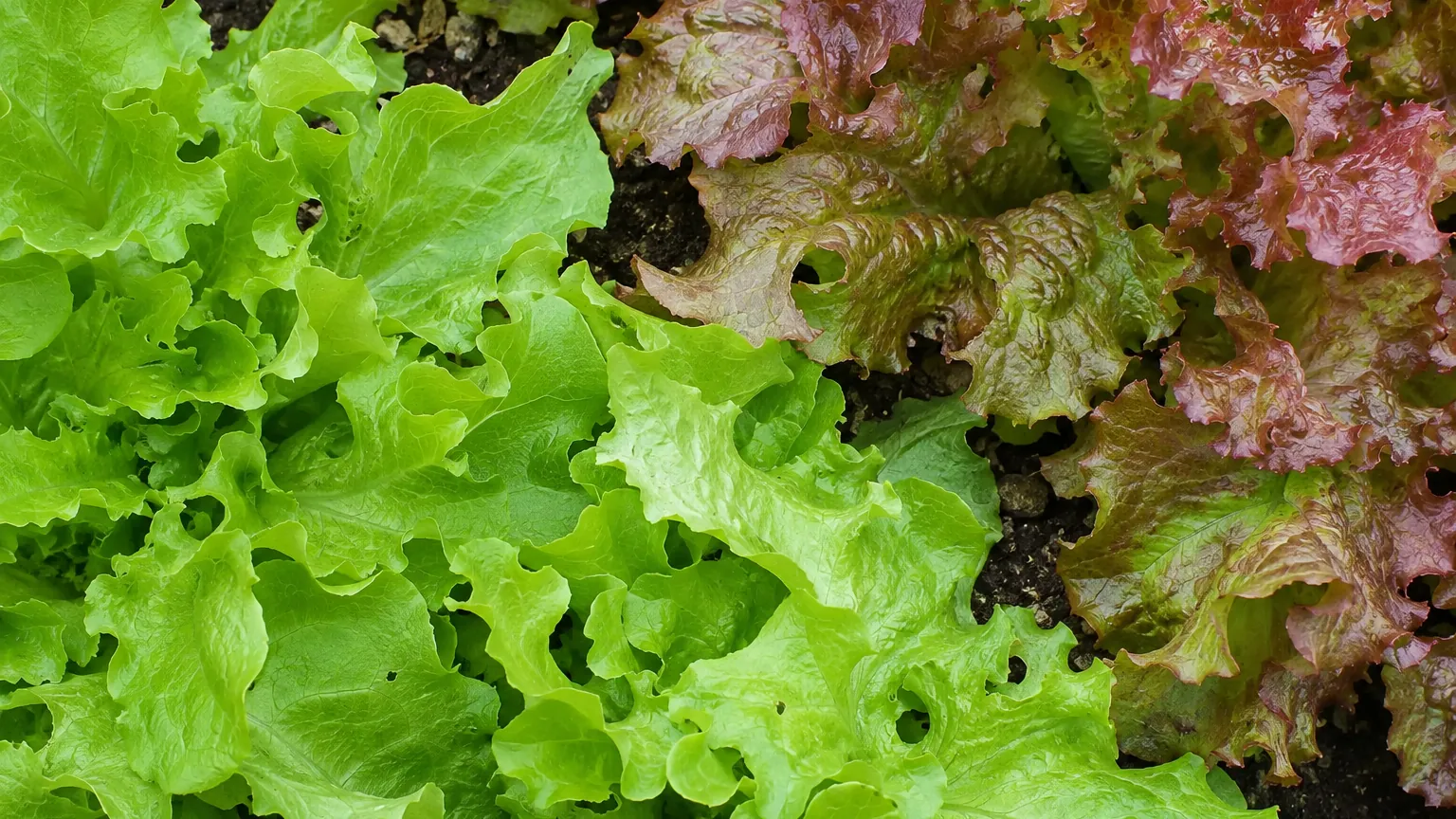
| Spring | Lettuce, spinach, radishes, peas, asparagus, spring onions, the first strawberries |
| Summer | Tomatoes, peppers, cucumbers, zucchini, green beans, sweet corn, eggplant, melons, basil |
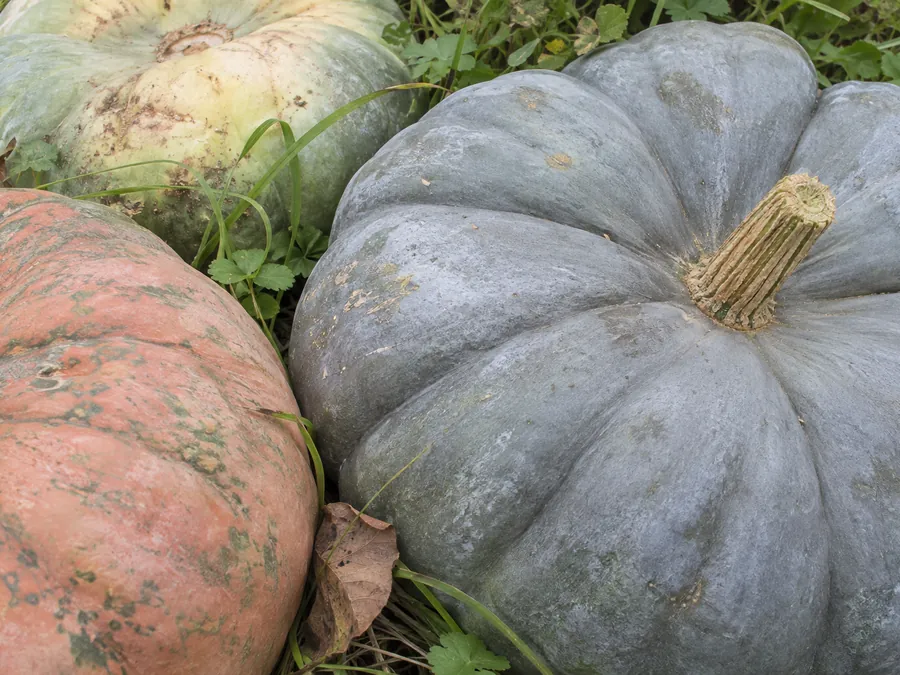
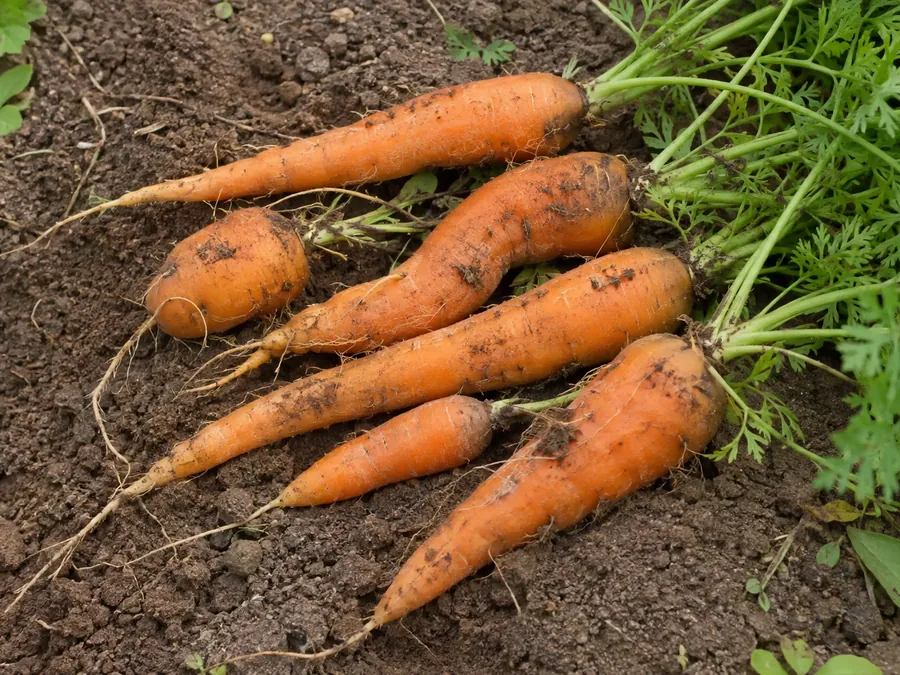
| Fall | Carrots, beets, cabbage, kale, broccoli, potatoes, leeks, pumpkins and winter squash |
| Winter | Garlic, onions, squash and potatoes from storage. Kale and spinach under cover. |
How we farm
Four rules we have not broken yet
Soil first
We feed the soil and the soil feeds the plants. An inch of our own compost on every bed each year, cover crops all winter, and as little digging as we can get away with.
No synthetic sprays
Row covers, sharp eyes and a great many ladybugs. If a crop cannot make it without a chemical rescue, we grow something else.
Everything moves
No crop grows in the same bed two years running. Tomatoes follow beans, cabbage follows tomatoes, and the pests never get comfortable.
Room for the wild
The hedgerow, the pond and the strips of flowers are not wasted land. They are where our pest control lives.
A word about the word: we farm by organic methods and always have. We do not hold a certificate and will not pretend to. What we can do is tell you exactly what goes onto our soil, which is compost, leaves and straw.
Worth knowing
Produce and pesticides
People ask us about this more than anything else. Here is the honest answer, without the scare and without the sales pitch.
The short version
Eat plenty of fruit and vegetables, however they were grown. Rinse all of it under running water. If you want to cut residues where it counts, choose organic for the thin-skinned crops you eat most often.
Usually more residue
Strawberries, spinach, kale, peaches, nectarines, cherries, apples, pears, grapes, peppers and celery. Thin skins, many pests, and sprayed close to harvest.
Usually less
Avocados, pineapple, melons, sweet corn, onions, cabbage, asparagus, carrots and sweet potatoes. A rind or husk you throw away, or few pests to begin with.
What washing does
Running water and rubbing removes a good share of what sits on the surface. Peeling removes more. Soap and bottled produce washes are no better than water. Nothing removes it all.
Does organic mean no pesticides?
No. Organic farms may use a short list of sprays, mostly from natural sources such as soaps, plant oils, sulfur and copper. Organic produce carries residues far less often and at lower levels, but not never.
Should you worry?
The great majority of produce, conventional included, tests below the legal safety limits. For most adults the risk is small, and far smaller than the risk of eating too few vegetables. Young children and pregnancy are the cases where choosing organic for the thin-skinned crops makes the most sense.
Reach out
Write to us. We write back.
We are usually outside, so email is the surest way to find us. Growing questions, questions about the farm, or just a hello are all welcome.